
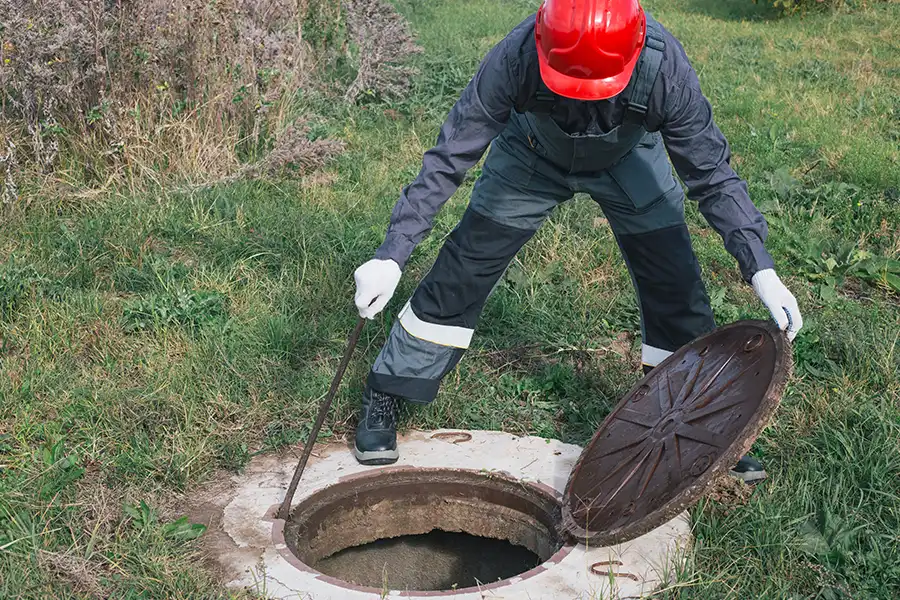
As winter fades and temperatures rise, many homeowners in Decatur, IL look forward to spring. But with the spring thaw comes a hidden threat: unstable, shifting ground that can wreak havoc on your septic system. If you’re not prepared, the thaw can cause major disruptions to your sewer and septic infrastructure—leading to costly repairs, inconvenient service outages, and potential health hazards.
Call Sewer & Septic Specialist today to inspect your system and safeguard your property before the thaw begins.
Understanding the Spring Thaw and Its Impact
The spring thaw occurs when accumulated snow and ice begin to melt, saturating the ground with excess water. While this might sound like a harmless seasonal transition, the reality is more complicated, especially for properties that rely on a septic system.
As the frozen ground softens and shifts, pressure builds beneath the surface. These ground shifts can lead to:
- Cracked or misaligned septic pipes
- Collapsed drain fields
- Shifting septic tanks
- Soil saturation that hinders proper drainage
Without proper septic system protection, these issues can result in foul odors, sewage backups, and even environmental contamination.
Why Ground Shifts Threaten Your Septic System
Your septic system is buried beneath layers of soil that freeze during winter. As the ground thaws at different rates, it expands and contracts unevenly. This creates unpredictable ground movement, which can stress or damage components of your system—especially if it’s older, improperly installed, or hasn’t been maintained regularly.
These ground shifts can:
- Disrupt pipe alignment, causing leaks or blockages
- Crack tanks or distribution boxes, leading to contamination
- Saturate the drain field, reducing the system’s efficiency
Over time, these seemingly small problems can escalate into full-blown septic emergencies.
Signs Your Septic System Is Affected by Ground Shifts
After the thaw, it’s essential to remain vigilant for signs of septic issues. If you notice any of the following, it may indicate that your system has been compromised:
- Standing water near the drain field or tank
- Gurgling sounds from drains or toilets
- Slow-draining sinks or bathtubs
- Unpleasant sewer odors inside or outside the home
- Sewage backups in lower-level plumbing fixtures
Don’t ignore these symptoms:Call Sewer & Septic Specialist right away. Prompt action can prevent more expensive damage and keep your system functioning properly.
What to Expect During a Spring Septic Inspection
A spring septic inspection isn’t just a glance at the tank—it’s a comprehensive checkup of your entire system. At Sewer & Septic Specialist, we take the time to thoroughly evaluate every component thoroughly, ensuring your system is ready to handle the challenges brought on by thawing soil and increased water flow.
Here’s what our spring inspections typically include:
Visual Assessment of the Tank and Drain Field:
Our team starts with a thorough inspection of your septic tank to identify any signs of cracks, corrosion, or overflow. We also examine the drain field area for pooling water, soggy soil, or unusual odors—all of which can indicate a drainage issue due to ground shifts or saturation.
Checking for Pipe Alignment and Blockages:
As the soil shifts, underground pipes can move, sag, or even separate at their joints. We use advanced tools and video camera inspections to detect misalignment or debris buildup inside the system. This allows us to catch problems early—before they lead to backups or overflows.
Measuring Sludge and Scum Levels:
Your system’s efficiency depends on maintaining healthy levels of sludge and scum. We measure these levels to determine whether your septic tank needs pumping—a preventive measure that can help your system perform better during the high-moisture months of spring.
Testing Drain Field Performance:
If the thaw has affected your drain field’s ability to filter and absorb wastewater, it can quickly lead to saturation and failure. We check the system’s outflow and absorption rates to ensure everything is draining as it should.
Reviewing System Usage and Providing Recommendations:
We’ll discuss your household or business water usage, recent changes, and any concerns you may have. Based on our findings, we’ll offer tailored recommendations to protect your system—not just for spring, but year-round.
This detailed inspection provides you with peace of mind, knowing that your system is structurally sound and functioning efficiently as the weather warms. Don’t leave your septic health to chance—schedule your inspection with Sewer & Septic Specialist today.
How to Protect Your Septic System Before the Thaw
Taking proactive steps before the thaw begins is the best way to shield your system from damage. Here’s how you can help:
1. Schedule a Professional Inspection
Have a licensed technician from Sewer & Septic Specialist inspect your system in late winter or early spring. A professional checkup ensures that all parts of your system—pipes, tank, and drain field—are in good shape before ground movement begins.
2. Pump Your Tank if Needed
Excess sludge in the tank can lead to overflow and backup issues when the drain field becomes saturated, potentially causing further problems. Regular pumping is a critical part of septic system maintenance, especially ahead of seasonal changes.
3. Avoid Driving or Parking on the System
Heavy weight from vehicles can compact thawing soil and put pressure on underground components, increasing the risk of breakage.
4. Improve Surface Drainage
Make sure your gutters and downspouts direct water away from the septic system area. Too much surface water can saturate the soil and overwhelm your drain field.
5. Install an Effluent Filter
Effluent filters trap solids and prevent them from reaching the drain field. This added protection can help mitigate the impact of unexpected stress on the septic system during the thaw.
Mid-season reminder: Contact Sewer & Septic Specialist today for a full septic inspection in Decatur, IL and surrounding areas.
Long-Term Strategies for Septic System Protection
In addition to short-term actions, long-term care and planning can dramatically reduce the risk of thaw-related damage. Here are some practices to keep in mind year-round:
- Create a maintenance schedule for inspections, pumping, and drain field care
- Upgrade aging systems—modern septic components are more durable and resistant to shifting
- Mark septic tank and pipe locations to prevent accidental damage during landscaping or snow removal
- Educate family members on water conservation to reduce strain on the system
By maintaining a long-term protection mindset, you’ll not only avoid spring thaw hazards but also extend the life of your septic and sewer system.
Why Choose Sewer & Septic Specialist in Decatur, IL?
At Sewer & Septic Specialist, we understand the unique challenges that seasonal changes bring to homeowners and businesses in Central Illinois. Our licensed and experienced team uses state-of-the-art tools and proven techniques to inspect, maintain, and repair systems of all sizes. Whether you need a spring inspection, emergency septic services, or long-term drain cleaning, we’re here to help.
We proudly serve the greater Decatur, IL area with friendly, fast, and dependable service. We’re not just your contractor—we’re your year-round partner in septic system health.
Don’t Wait for a Breakdown—Act Before the Thaw
Protect your investment and peace of mind by taking action before spring temperatures rise. Septic system damage from ground shifts is preventable, and early action can save you thousands in repairs and cleanup.
Call Sewer & Septic Specialist today at 217.855.5622 to schedule your pre-thaw inspection or maintenance service. Let our team help keep your system safe, efficient, and worry-free this season and beyond.