
Winter temperatures in Decatur, IL can create challenging conditions for septic systems. Although much of a septic system is located underground, prolonged cold temperatures can still create problems when pipes, tanks, or drain field areas lack adequate protection. Frozen components can interfere with wastewater movement, potentially resulting in slow drains, backups, or a septic system that cannot function normally until the problem is addressed.
Preparing before temperatures fall is much easier than dealing with a septic emergency during freezing weather. Routine pumping, professional inspections, careful water use, adequate ground cover, and attention to warning signs can all contribute to dependable winter performance. At Sewer & Septic Specialist, we provide professional septic maintenance, pumping, inspection, and repair services throughout Decatur and Central Illinois. Our team can help homeowners understand the condition of their systems and address concerns before winter arrives.
Prepare your septic system before freezing temperatures settle in by calling Sewer & Septic Specialist at 217.855.5622 for professional service.
Understand Why Septic Systems Can Freeze in Winter
Septic systems contain wastewater and depend on pipes, tanks, and drain field components to move and process it. Soil generally provides natural insulation for underground components, while regular household wastewater introduces some warmth into the system. Problems become more likely when unusually cold weather combines with insufficient soil cover, compacted snow, shallow components, plumbing problems, or very low system usage.
Certain areas may be more vulnerable than others. Pipes leading from the home to the septic tank, exposed or shallow sections, tank lids and risers, and portions of the drain field can experience freezing under unfavorable conditions. Vacation homes and properties left unoccupied for extended periods may also have less warm wastewater entering the system.
Understanding these risks allows homeowners to focus on prevention rather than discovering frozen septic components after drainage has already stopped.
Let our Sewer & Septic Specialist team help you identify septic concerns that should be addressed before Central Illinois temperatures drop.
Schedule Septic Pumping and Maintenance Before Winter
Fall is a practical time to review your septic maintenance schedule. Solids accumulate in a septic tank as the system operates, and those solids eventually need to be professionally removed. Sewer & Septic Specialist generally recommends septic pumping every two to three years, although the appropriate interval depends on household size, tank capacity, and wastewater usage.
Waiting until the ground is frozen or snow-covered can make septic maintenance less convenient. If your tank is already due for pumping, scheduling service before winter allows our professionals to perform necessary maintenance under more favorable conditions.
Routine pumping also reduces excessive sludge accumulation that can contribute to septic problems. It does not guarantee that a system will never freeze, but maintaining the tank properly is an important part of keeping the overall septic system functioning as intended throughout every season.
If your tank is due for service, call Sewer & Septic Specialist at 217.855.5622 and schedule professional septic pumping before winter.
Protect the Septic Tank and Drain Field From Winter Damage
The area above your septic system plays an important role in protecting underground components. Grass and other appropriate shallow-rooted vegetation can help hold snow and provide additional insulation between freezing outdoor air and the soil below. Bare soil may provide less protection during extended cold periods.
Homeowners should also avoid unnecessary traffic over the septic tank and drain field. Driving or parking vehicles over these areas can compact soil and snow, reducing insulating air spaces while potentially damaging underground components. Heavy structures and equipment should likewise be kept away from the drain field.
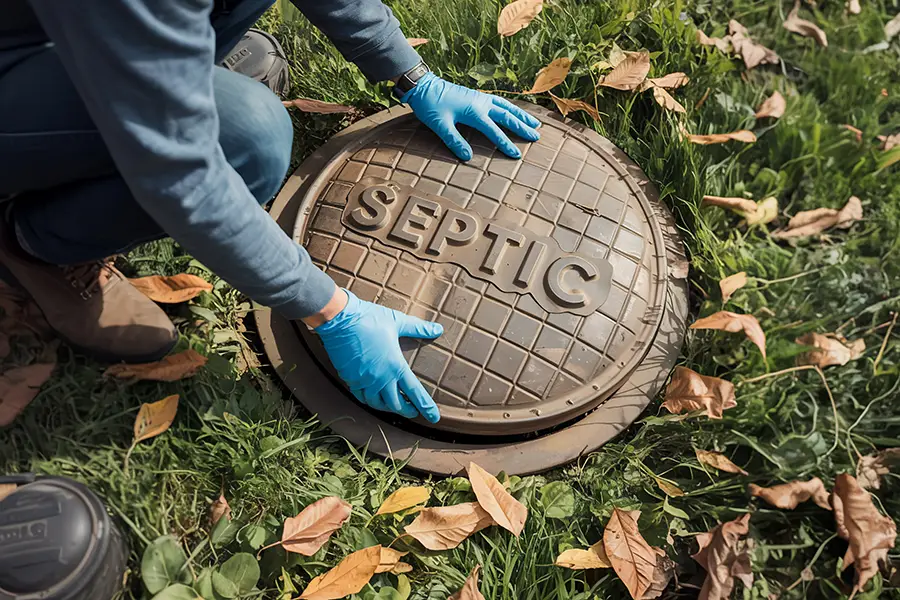
Before winter, make sure you know where your tank and drain field are located. Keeping accurate records of the system layout can also make future inspections, pumping, and septic repairs easier.
The goal is to protect the area rather than disturb it immediately before freezing weather.
Ask our septic professionals about practical ways to protect your system and keep important components accessible for maintenance.
Fix Plumbing Leaks Before Freezing Temperatures Arrive
A dripping faucet or running toilet may seem unrelated to winter septic preparation, but unnecessary water continually entering the system can create problems. Excess wastewater increases the hydraulic load on the septic tank and drain field, while certain slow, continuous flows can contribute to unfavorable freezing conditions in vulnerable pipes.
Before winter, inspect household plumbing for obvious leaks and address fixtures that run continuously. Homeowners should also avoid overwhelming the septic system with large amounts of water over a short period. Spreading laundry and other water-intensive activities throughout the week can help maintain a more consistent wastewater load.
Efficient water use benefits the septic system throughout the year, not only during winter. A properly functioning system needs enough time to separate and process wastewater before effluent moves into the drain field.
If plumbing or septic problems are creating concerns before winter, call Sewer & Septic Specialist at 217.855.5622 for professional assistance.
Be Careful With Snow Over Your Septic System
Snow can actually provide useful insulation over a septic tank and drain field. A layer of undisturbed snow contains trapped air that can help protect the soil below from extremely cold temperatures. For that reason, repeatedly clearing or compacting snow over the septic area may remove some natural protection.
Avoid driving snowmobiles, vehicles, or other heavy equipment across the drain field. Homeowners should also think carefully about where snow is piled after clearing driveways and sidewalks. Extremely heavy piles can compact the area and make septic components more difficult to access if emergency service becomes necessary.
Before the first major snowfall, clearly understand the location of tank lids and other service points. Our professionals need appropriate access when performing septic pumping, inspection, or repair work.
Taking care of the ground above the system is a simple preventive measure that can support winter protection without modifying the septic components themselves.
Work with our Sewer & Septic Specialist team to keep your system properly maintained and prepared for changing seasonal conditions.
Know the Warning Signs of a Winter Septic Problem
A septic system that begins struggling during freezing weather can provide several warning signs. Homeowners should pay attention to changes in drainage and respond promptly rather than hoping the problem disappears on its own.
Possible signs of septic trouble include:
- Toilets, sinks, or tubs draining unusually slowly
- Gurgling noises from household plumbing
- Multiple fixtures backing up
- Sewage odors inside or outside the home
- A septic or aeration system alarm activating
- Wastewater surfacing around the tank or drain field
- Plumbing that suddenly stops draining during freezing weather
These symptoms do not automatically prove that the system is frozen. Clogs, excessive sludge, damaged components, drain field problems, and other septic issues can create similar symptoms. Professional inspection is therefore important for identifying the actual cause rather than assuming cold weather is responsible.
If your septic system begins behaving differently this winter, call Sewer & Septic Specialist at 217.855.5622 before the problem develops into a serious backup.
Avoid DIY Methods for Thawing a Frozen Septic System
If you suspect part of your septic system has frozen, resist the temptation to experiment with aggressive do-it-yourself solutions. Open flames, torches, electrical devices, or other unsafe heating methods can create serious hazards. Pouring large amounts of chemicals or additives into drains is also not an appropriate substitute for diagnosing the actual problem.
A frozen system may involve an inlet pipe, tank area, drain field component, or another location. Similar symptoms can also be caused by a conventional clog or mechanical problem. Correctly identifying the source is essential before deciding how to address it.
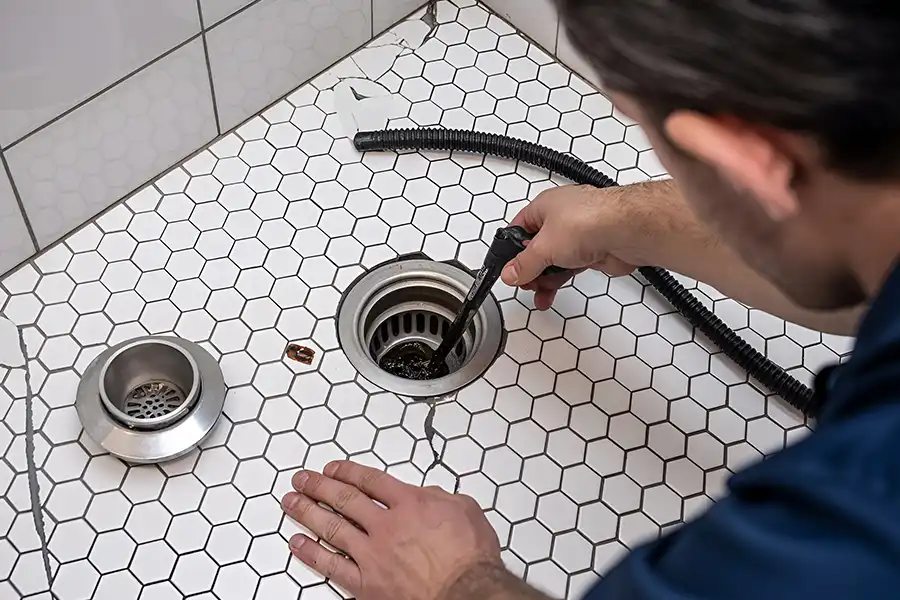
Professional septic technicians have the experience to evaluate system problems and recommend appropriate action. At Sewer & Septic Specialist, our services include septic inspections, repairs, pumping, video inspections, drain cleaning, and other solutions that can help identify and address wastewater problems.
When winter septic trouble develops, rely on our trained professionals rather than risking additional damage with an unsafe DIY repair.
Professional Inspections Can Find Problems Before Winter
One of the best ways to prepare a septic system for winter is to understand its condition before cold weather arrives. A professional inspection can help identify maintenance needs and visible concerns that homeowners may not recognize on their own.
Sewer & Septic Specialist offers septic system inspections that evaluate factors such as the type and working condition of the system, liquid levels, lids and risers, signs of surface discharge, and whether the tank requires pumping. Our company also installs, repairs, cleans, and maintains septic systems throughout Central Illinois.
Preventive service can be particularly valuable for older systems, properties with recurring drainage issues, or households that are unsure when the tank was last pumped. Addressing a developing concern during mild weather is preferable to discovering it after the ground freezes.
Schedule a professional septic inspection with Sewer & Septic Specialist at 217.855.5622 and give your system the attention it needs before winter.
Prepare Your Decatur Septic System With Sewer & Septic Specialist
A reliable septic system needs attention throughout the year, but winter adds challenges that make preparation especially important. Maintaining an appropriate pumping schedule, fixing plumbing leaks, protecting the drain field, avoiding soil and snow compaction, monitoring water use, and recognizing warning signs can all help homeowners reduce the risk of winter septic problems.
At Sewer & Septic Specialist, we are a full-service licensed sewer, septic, and drain cleaning provider serving Decatur and communities throughout Central Illinois. Our team provides septic pumping, inspections, repairs, installation, maintenance plans, video inspections, sewer and drain cleaning, and related services. By scheduling preventive service before freezing temperatures arrive, homeowners can identify existing concerns and enter winter with a better understanding of their system’s condition.
Do not wait until slow drains or a sewage backup reveal that something is wrong during the coldest part of the year.
Get your septic system ready for winter now. Contact Sewer & Septic Specialist at 217.855.5622 today to schedule professional septic system service in Decatur, IL.