
Summer is the season for outdoor dining, backyard barbecues, and gathering with friends and family around the grill. While these gatherings are fun and festive, they also introduce a hidden risk for your home’s septic system—especially when grease, fats, oils, and cooking residue are improperly disposed of. At Sewer & Septic Specialist, we’ve seen how the aftermath of summer cooking can create serious problems for homeowners in Central IL. If you’re hosting BBQs this season, it’s essential to understand how your septic tank works, why grease and fats pose a threat, and what you can do to prevent costly repairs.
Call us mid-season for a maintenance check before small issues become big emergencies.
Why Summer Grills & Gatherings Put Your Septic at Risk
When you fire up the grill in Central IL, the images that come to mind are appetizing—burgers, steaks, grilled veggies, cold drinks, and laughter. What doesn’t usually make the mental picture is the pan of grease, the leftover fats from cooking, or the oil from cleaning up afterward. Yet these seemingly harmless by-products can wreak havoc on your septic system. Unlike municipal sewer systems, which handle large volumes of wastewater and require frequent flushing, a typical septic tank is a closed system that relies on careful input management and routine maintenance to function properly.
Here’s how it happens: After you’ve grilled and eaten, pans, utensils, and the sink are often rinsed or cleaned. Leftover grease is often washed down drains, sometimes with hot water. Even though the water may initially carry the grease away, once it enters the septic tank, it cools and begins to solidify, forming a scum layer or clingy film that interferes with bacterial breakdown and flows into the drain field.
Over time—and especially after several large gatherings —the accumulation of fats, oils, and grease (often referred to as FOGs) can clog pipes, overwhelm the tank, and cause backups or system failure. Because the drain field is critical and expensive to repair, it’s far better to avoid the problem than pay for the cleanup.
How Your Septic System Handles Waste—and Why Grease Disrupts It
Your home’s septic system is a clever, low-maintenance design: wastewater from your sinks, toilets, and laundry flows into the septic tank, where solids settle out and anaerobic bacteria break down organic matter. The clarified effluent leaves the tank and enters the drain field. This balance works only when the inputs consist of typical household wastewater and when the tank is pumped at reasonable intervals (usually every 3–5 years).
However, when you pour cooking fats or oils down the drain after a barbecue or gathering, several things can go wrong:
- The grease floats to the surface and solidifies, creating a thick scum layer that reduces the tank’s effective volume and slows the system.
- The presence of large amounts of FOGs interferes with the bacteria that process the waste, making the tank less efficient.
- Solidified grease and fats can clog the distribution box or drain lines, causing backups or the drain field to become saturated.
- Once the drain field soil is clogged or fouled, remediation is expensive and disruptive.
In short, your septic system isn’t designed to handle the volume of grease generated during summer cooking parties unless you take special steps to protect it.
Proper Disposal Methods for Grease, Grills & Gatherings
To safeguard your septic system during summer cookouts, establish a simple yet consistent routine. Here are practical steps you can implement to minimize the risk to your septic system:
- Scrape pans and utensils before rinsing. Use a spatula or paper towel to wipe off excess grease and dispose of it in a sealed container or the trash.
- Cool and solidify cooking fats (such as drippings, bacon fat, or grilling oils) before disposing of them properly. Do not pour them down the sink.
- Use sink strainers or screens to catch small food particles and any grease residue that may accumulate.
- Limit the use of your garbage disposal during heavy cooking events; even small bits of grease or food waste can accumulate and cause clogs.
- Consider a grease-catching bucket beside your grill or outdoor kitchen to collect used oil or fat for safe disposal.
- Schedule a professional septic inspection or pumping if you’ve hosted multiple large gatherings or think your system may be under stress. Call Sewer & Septic Specialist for routine check-ups.
These habits help reduce the burden on your septic system, protect your drain field, and minimize the risk of backups or system failure.
Warning Signs of Grease-Induced Septic Stress
Even if you practice prevention, it’s wise to stay alert to the signs that your septic system may be under strain—especially after a summer of frequent gatherings. Some of the red flags include:
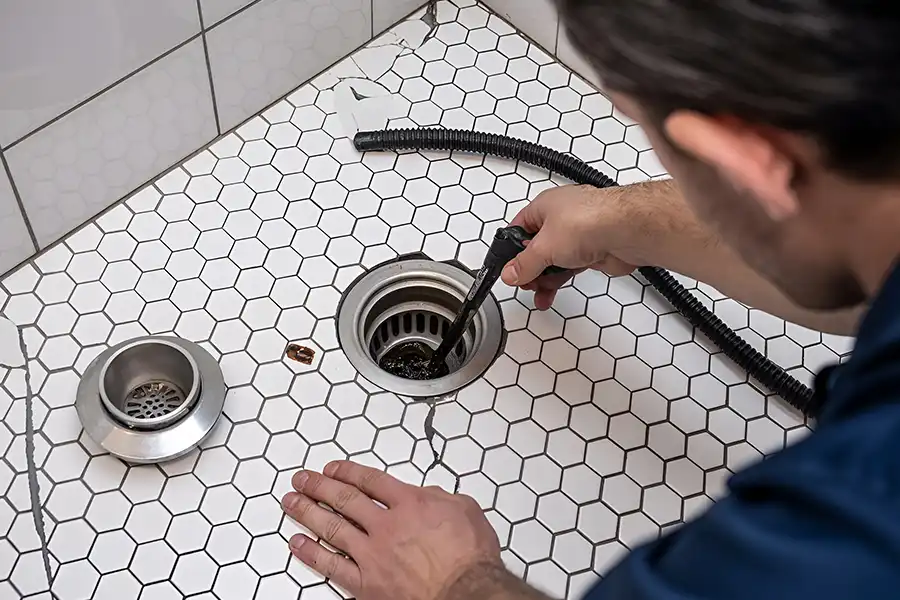
- Slow-draining sinks or toilets, especially after large meals
- Gurgling sounds in drains or toilets
- Unpleasant odors near your septic tank or drain field
- Lush, overly green grass in the drain field area (indicating effluent surfacing)
- Backup of wastewater in low-lying drains or floor drains
If you notice any of these symptoms, take action promptly. Don’t wait for full backup or field failure, that’s when repair costs can skyrocket. A quick call to Sewer & Septic Specialist can prevent major emergency service calls later.
Why Professional Maintenance Matters
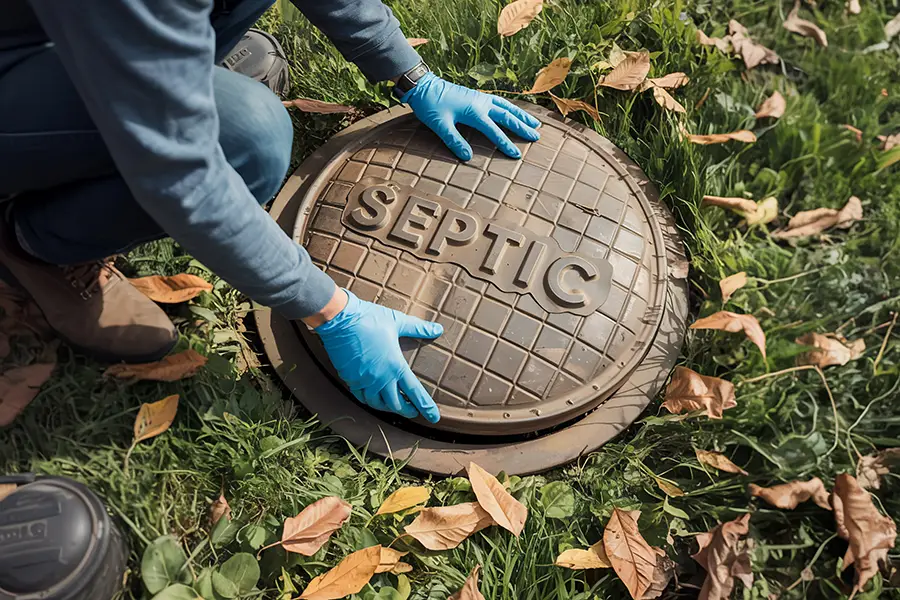
While you can control the habits that affect your plumbing, the overall health of your septic system also depends on professional help. At Sewer & Septic Specialist serving Central IL, we provide septic tank pumping, inspections, drain field repairs, and grease-trap awareness for properties with higher usage. Professional care matters. A trained technician can locate your tank and distribution box, inspect heavy FOG scum layers, and determine if your system is functioning properly. A pumping schedule tailored to your home’s usage (and, yes, summertime gatherings) can extend the life of your system. Proper maintenance prevents the need for expensive drain-field replacement or extensive pipe clearing. Leaving prevention to chance is inviting trouble. With summer cookouts and frequent grill use, the risk is higher—and that’s where professional backup makes sense.
Call Sewer & Septic Specialist today to schedule a summer inspection or pumping service and keep your septic system safe and efficient.
Summer Checklist for Your Septic System
When temperatures rise and household activity increases, your septic system works harder than usual. Extra guests, frequent cooking, and outdoor water use all put a strain on the system. A proactive approach helps prevent backups, odors, and costly repairs during the busy summer months.
To wrap up, here’s a short checklist to protect your septic system during summer cooking, grilling, and gatherings in Central IL:
- Toss scraped grease and solid fats into the trash, not the drain.
- Keep sinks free of large food particles and establish a “grease disposal” routine.
- Maintain regular grinding or disposal reduction during heavy cooking seasons.
- Schedule a mid-season septic inspection if you host frequent gatherings.
- Monitor for warning signs such as slow drains, odors, or lush patches above the drain field.
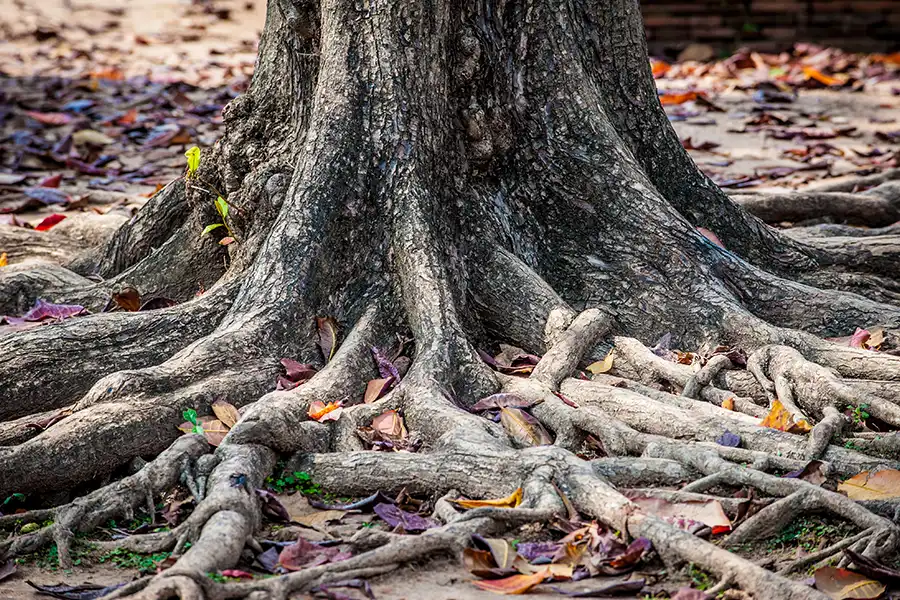
- Ensure that tree roots, heavy vehicles, or ground saturation are not compromising the system’s access or function.
By following this checklist, you’ll give your septic system its best chance to operate efficiently, resulting in fewer headaches, lower costs, and peace of mind. For more helpful tips or professional advice, contact Sewer & Septic Specialist today.
Count on Sewer & Septic Specialist for Professional Guidance
Summer is meant for fun, friends, food, and relaxing—not worrying about whether your septic system can handle the aftermath. With the right preventive habits and a partnership with Sewer & Septic Specialist, you’ll protect your system while still enjoying barbecues, gatherings, and summer cooking. Don’t wait until a clog or backup interrupts your next event—call 217.855.5622 for a septic system check-up and enjoy your summer with confidence.